Does gaming make young people violent?
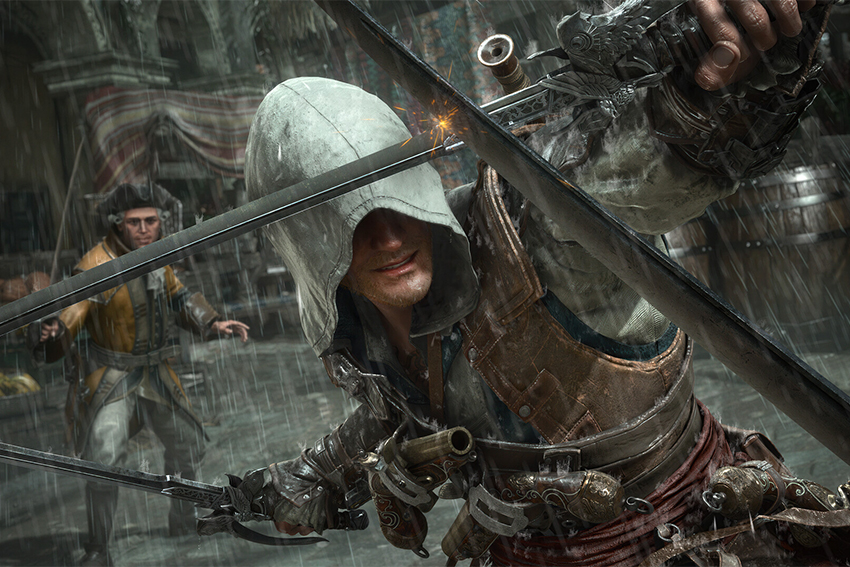
Parents worried that roleplaying violence in video games might radicalise their child should instead be concerned about desensitisation and who they are playing with.
This is the view of Dr Tof Eklund, speaking to Susan Strongman on the podcast Hey, Did You Know?
There’s this idea that groups of people, seen to be lesser or immature, will take in media and just believe it and act it out - but the idea is misplaced, Dr Eklund says.
After the Columbine High School massacre, it was found that one of the shooters had violent fantasies and was a fan of the video game Doom.
“But I don’t think there is any chance– any degree to which what happened would have been less likely if Doom had not existed,” Dr Eklund says.
“Over the same period in which first-person shooters and other modern violent video games became common in the United States and other countries ... youth violence was on the decline.”
Dr Eklund says video games are just the latest new medium to attract moral panic, like has happened before with novels, cinema, television, table-top wargaming and Dungeons & Dragons.
“Suddenly everyone was worried that Dungeons & Dragons was going to turn kids into Satanists or cause them to lose their minds.
“Reality is that the satanic panic itself was a form of mass hysteria – and it led to a number of entirely innocent people being accused of outlandish crimes like killing giraffes on preschool grounds.”
But the people playing Dungeons & Dragons never lost track that it was just a game, Dr Eklund says.
“No one who is really into their favourite sports team ever starts to think they’re on the team unless they have very large unrelated issues.
Billions of people of all genders around the globe play video games.
What should parents actually care about with gaming?
Dr Eklund does not play first-person shooters or military style shooter games with their own children because of the risk of desensitisation.
“Overexposure to graphic violence dulls your reaction to it. And that can lead to a dulling of empathy as well,” Dr Eklund says. “There’s scientific evidence to back that up.”
It is important too that games are age appropriate - horror titles can traumatise a young child - and it’s important to consider that many games sexualize female characters.
The danger though that most concerns Dr Eklund comes from talking to bigots, extremists, and predators, a danger that presents through the chat functions of many multiplayer games including popular young people’s titles like Roblox or Fortnite.
“Text and voice chat are the biggest things you should be concerned about as a parent, because if you have anywhere from a little child through to a teen, and they’re playing games that have unrestricted text or voice chat with strangers, they are being exposed to people who want to do them harm or want them to do some kind of harm .”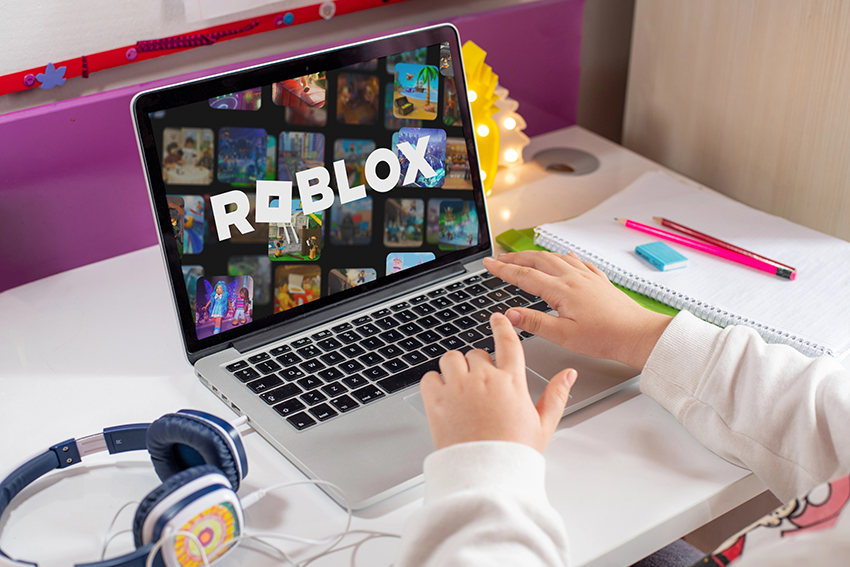
Console games that children play in person with their friends, such as a Nintendo Switch, are a better choice - providing safety from strangers and a way to be social, Dr Eklund says.
Single-player games don’t have voice chat so can be a safer choice - games like Assassin’s Creed: Black Flag Resynced contain violent content but no exposure to strangers.
But if a child really wants to play a game that has online chat, instead of shutting it down prematurely and destroying trust, Dr Eklund advises parents talk with them about the risks and come to agreement.
This might be allowing them to play a game but agreeing to turn off or not engage with chat features. It might be not engaging in any talk that is not about the game task. Or it might be putting the gaming machine in the living room where other people are around.
The best thing a parent can do if a child is already playing a game, Dr Eklund says, is to play with them a few times and understand what it is all about, especially if it is multiplayer.
“They’ll find it hilarious, I 90-percent guarantee, and you’ll get to see what kind of interactions are taking place. And yes, your kid may be reticent or a little more on guard because you’re there, but you get to see or hear what other people are saying.”
Useful links
AUT supports the role our academics play as critic and conscience of society, as set out by the Education and Training Act 2020.
Our approach to academic freedom and freedom of expression is set out in our Charter of Academic Freedom, which was developed and endorsed by the AUT academic community.