A need for more: what tourism changed in the Cook Islands
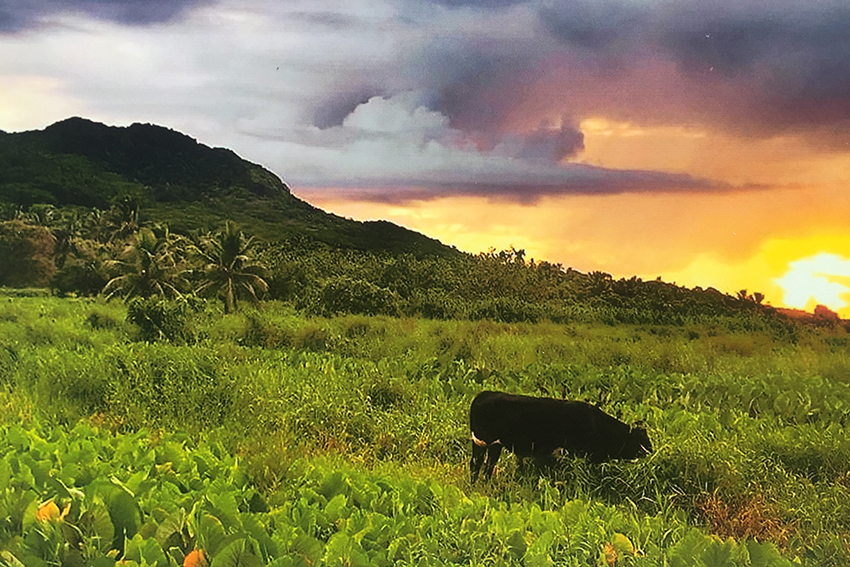
Tourism brings many benefits to the Cook Islands, but the Indigenous people found there were some advantages when tourism stopped.
Many people lost their main source of income overnight during the Covid-19 pandemic but despite the difficulty it was also a chance for reflection on the impact of mass tourism.
AUT academics Dr Roxane de Waegh and Dr Rerekura Teaurere worked to unpick this impact collaboratively with the people in Rarotonga including the help of the Indigenous organisation Kōrero o te ‘Ōrau.
The research found that Cook Islanders felt that without tourism they had a greater sense of cultural pride and identity.
For example, one participant said dancing became for the wellbeing of Cook Islanders themselves - rather than for the tourist gaze.
With more time to spend with extended family, going to church and providing support for one another, community spirit also returned.
Cook Islanders also had access to cheaper local produce and freshly caught fish – which were previously too expensive for locals to purchase – although there was little money to go around.
And they noticed that their environment was cleaner, with a decrease in pollution and waste from tourists.
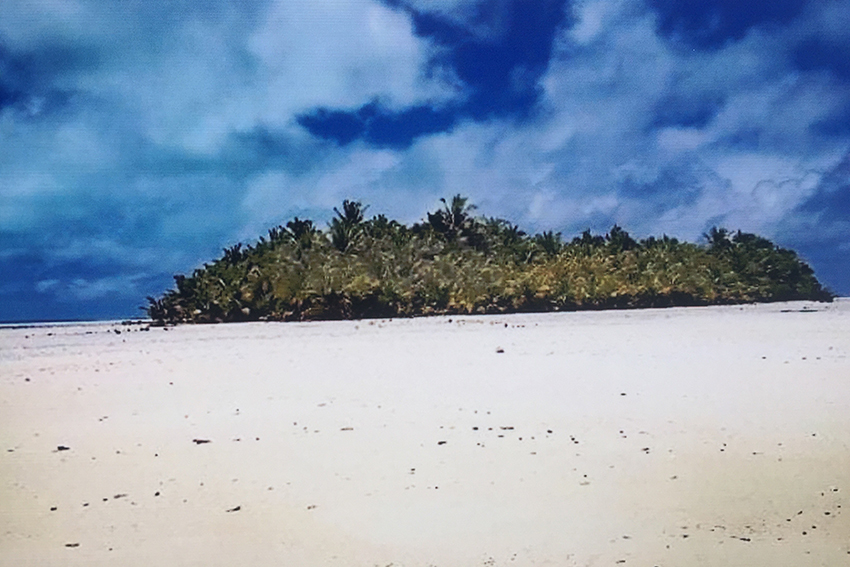
People returned to agriculture to provide for themselves, and in doing so they found that much arable land had been converted into tourist accommodation.
Tourism had created what one participant called ‘a need for more’, shifting focus from the things they already had to the things that people wanted to buy.
The research findings challenge the idea that tourism revitalises, revives and preserves culture and tradition.
What young people said
Dr De Waegh and Dr Teaurere also sought the views of youth on how life was different without tourism.
They built trust and relationships with parents of four teenagers in Kōrero o te ‘Ōrau, an Indigenous organisation working to connect youth to their ‘foundation’ or natural environment, which in turn connects them to the land sea, their ancestors, and language.
With parental consent, they asked young people to take two or three photographs of something important to them and their community, as well as something that was important to them in the natural environment.
“We then asked them open-ended questions about the photos, and they told us really rich stories that we just wouldn’t have heard if you asked a direct question,” Dr Roxane de Waegh says.
“One took a photo of the house of their chief. When we asked why she took the photo, she started talking about the stories of her ancestors and how tourism has influenced that knowledge, and how she felt more connected during covid-19 because the tourists were not there.”
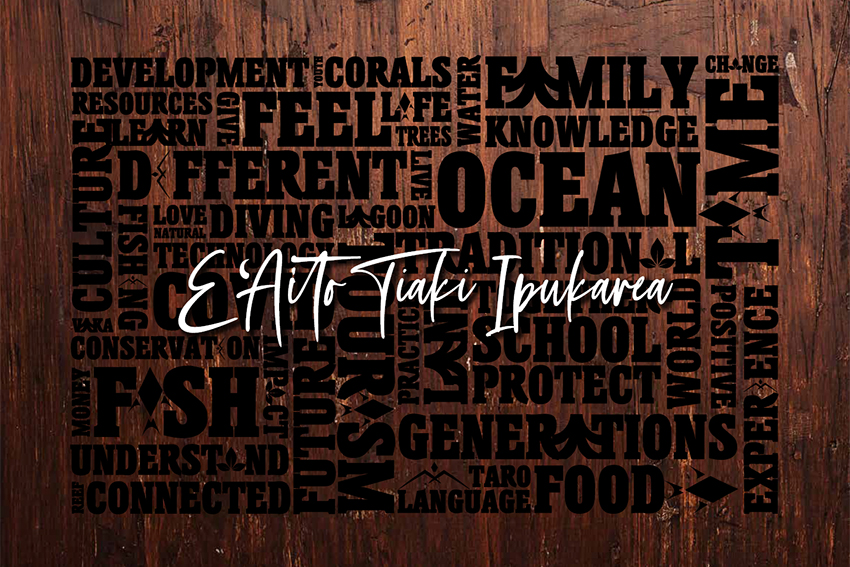
Another took a photo of a stormy beach and reflected on coastal erosion as well as how all the fresh water was going to tourists and hotels.
“We saw the young people having a rich understanding of how everything is connected. Through the art of storytelling and photography these young adults were able to convey incredibly complicated concepts of globalisation,” Dr Rerekura Teaurere says.
“They had stories on stories that presented the hardships, but also the joys, of being from a small island nation. They showed pride in being from the Cook Islands and the strength to want to have this identity separate from New Zealand.”
New ways of doing research
Culturally appropriate research with Pacific people is usually face to face in order to build trust and relationships.
The border closure made meeting in person impossible however, so the study was conducted virtually.
The result was rich discourse – including with the young people. The technique of using photographs to prompt conversation had been done before, but not without meeting in person.
“A benefit of this approach is that there was no researcher 'fly in and fly out approach'. It allowed time for relationships to develop and be nurtured over time but in a virtual space. Had the research been conducted face to face this time to develop and maintain relationships would have been restricted,” Dr Teaurere says.
Useful links
AUT supports the role our academics play as critic and conscience of society, as set out by the Education and Training Act 2020.
Our approach to academic freedom and freedom of expression is set out in our Charter of Academic Freedom which was developed and endorsed by the AUT academic community.