Melissa Couper

Medical Laboratory Technician – Donation Accreditation, New Zealand Blood Service
Bachelor of Science in Biomedical Science
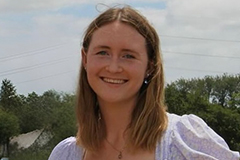
She enjoyed the entire experience of being a university student at AUT, says Melissa Couper who studied a Bachelor of Science in Biomedical Science.
“I chose the Bachelor of Science in Biomedical Science as I wanted to work in a laboratory. At the time, I was unsure what type of laboratory I wanted to work in. I had an idea that I wanted to work in healthcare and be a part of a system that improves the lives of people in my community.
“The step up from high school was great, and I felt well-adjusted as AUT has a very supportive learning culture. I didn’t feel like I had my hand held like in high school, but I didn’t feel unsupported in my studies. The lecturers were welcoming and the class sizes allowed for your questions to really get answered. I also appreciated the practical classes in the chemistry and biology labs, and have since found that this experience is relatively close to that of a working laboratory. This meant that the jump from student to working as an actual laboratory technician was seamless. I didn’t feel out of my depth when I got a job.”
Part of a company that saves lives
Now working as a medical laboratory technician for the New Zealand Blood Service, Melissa is proud of the positive impact she can make through her work.
“I get to be a part of a company that saves lives every day. I’m one small but integral piece to ensuring that individuals who receive blood and blood products are getting quality, safe products.”
She says her studies have given her a solid foundation for her work today.
“The degree’s structured deadlines and framework supported my development from an unorganised teenager into a responsible adult who consistently meets professional deadlines.”
Advice for other students
Melissa has some great advice for other students who are only at the start of their own university journey.
“Keep going. I wanted to give up so many times when I was struggling through exam periods, but I promise it’s worth it in the end.”
She also has some guidance for those interested in a career similar to hers.
“Take any job in the field of your choosing when you start. I started out at Labtests doing a very paperwork-based job as a pre-analytical technician. This meant that I didn’t get to do much hands-on laboratory work, but after a couple of years, I was given opportunities to learn how to work on laboratory machines. From there, I was able to move into a role that helped me progress to becoming the fully registered laboratory technician I am today.”