Q&A: Shopping Matters
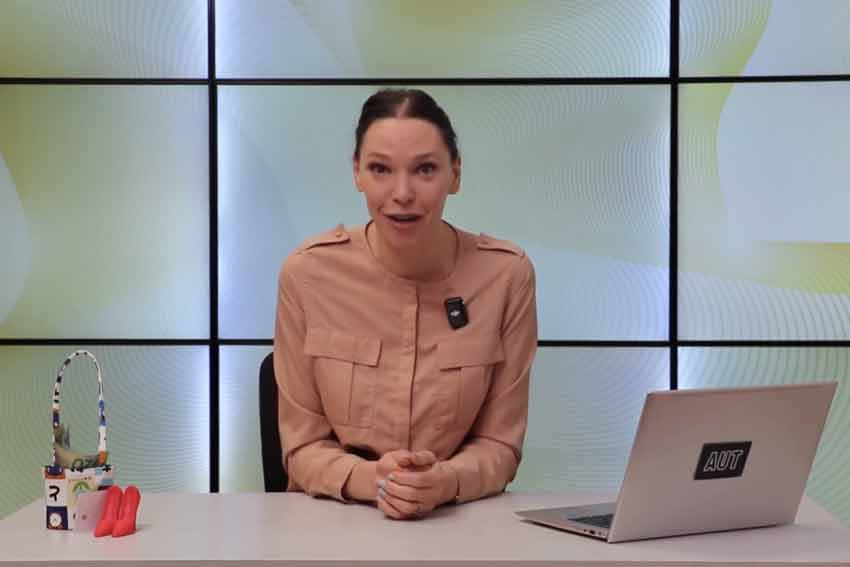
Why do we always leave the supermarket with way more than we intended to buy? Join senior lecturer Amy Errmann to find out why we shop the way we do.
Why is my Instagram feed full of ads for products I don’t want?
Programmatic advertising uses algorithms to build a digital avatar based on your age, interests, and behaviour. Sometimes it works perfectly; other times it shows you completely irrelevant products because the targeting has misfired.
What’s the deal with cookies?
Cookies track your online behaviour. Accepting cookies allows websites to personalise your experience; rejecting them means you may see less relevant content. Recent legislation allows users to opt out more easily.
How can I use social media without feeling bad about myself?
Influencers can make us compare ourselves to unrealistic ideals. Try following people you genuinely relate to or share interests with to protect your self-concept and wellbeing.
Why is everyone buying ugly Crocs?
Crocs are part of a trend called “distinctive ugliness” and loud luxury—bold, recognisable items that signal individuality and belonging, especially among younger shoppers.
How do brands trick us into buying things we don’t need?
Dopamine spikes in anticipation of a reward, including shopping. Sometimes thinking about buying feels better than owning the item. Window shopping or buying second-hand can satisfy that dopamine hit without guilt.
How can I avoid temptation at the supermarket?
Supermarkets are designed to encourage impulse buying—especially around the perimeter. Make a list, notice end-of-aisle displays, and choose confectionery-free checkouts to avoid unnecessary purchases.
How does the environment of a shop influence what I buy?
Retailers use music, layout, and atmosphere to drive behaviour. Busy, loud environments encourage fast purchasing, while minimalist luxury stores use scarcity and calm to slow you down.
Why would I go to the mall when I can order everything online?
People still shop in person when they need something immediately or want to try it first. Many shoppers “showroom”—testing in-store but purchasing online later. Shopping behaviour today is non-linear and multi‑channel.