Ship anchors leave lasting mark on the seafloor
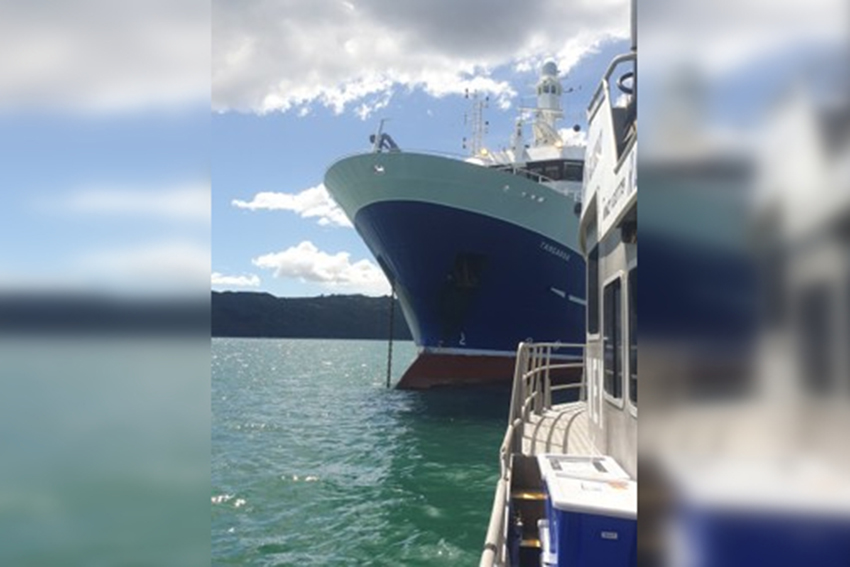
The impact on the seafloor from the anchoring of cruise ships and big cargo vessels is similar to the destruction from bottom trawling.
This is what marine geoscientist Dr Marta Ribó told host Mike Kilpatrick on the AUT podcast Hey Did You Know?
“It’s a much narrower space ... but the impact of the disturbance - it’s similar.”
The practice of anchoring is still destructive, with one operation displacing an Olympic swimming pool worth of sediment, Dr Ribó says.
Organisms living there are also disturbed, as well as the carbon store potentially released back into the water and potentially the atmosphere.
And as ships mostly anchor in port areas near cities, they are likely to be releasing into the water contaminants from the sea floor that have accumulated over time, she says.
Research Dr Ribó is involved in shows what happens during an anchoring operation, with seabed scars made in 2009 still visible in 2024.
“That revealed that 15 years later, we can still see the scour. So the recovery of the area, it’s not that fast.”
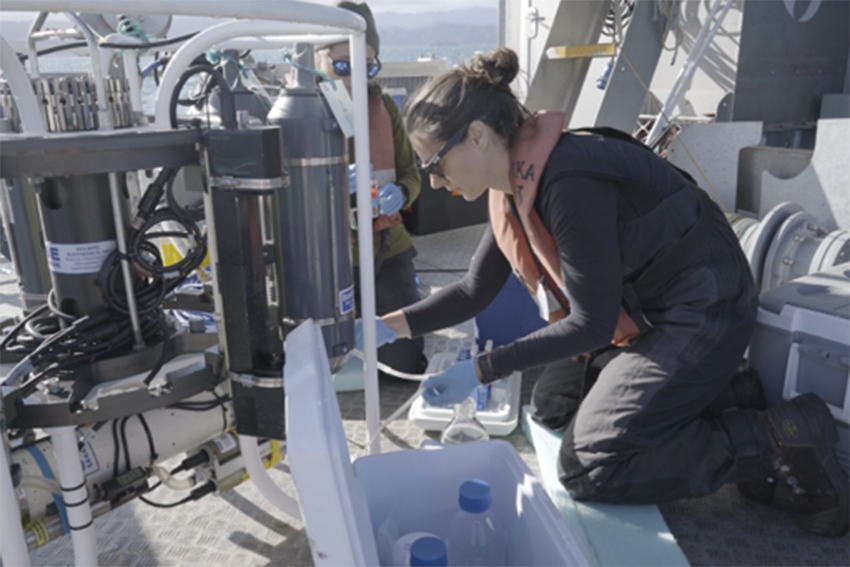
Dr Ribó is not, however, calling for anchoring to be banned, as it is needed for safety in bad weather and when ships are waiting to dock.
Instead, she says the impact could be reduced through better scheduling for ships entering port. It would also be good to have specific sites for cruise ships to anchor, away from marine reserves.
On the podcast episode, Dr Ribó talks about her work examining the sea floor, including microplastics accumulation and an upcoming expedition to explore submarine volcanoes along the Tonga Kermadec Arc.
Useful links
AUT supports the role our academics play as critic and conscience of society, as set out by the Education and Training Act 2020.
Our approach to academic freedom and freedom of expression is set out in our Charter of Academic Freedom which was developed and endorsed by the AUT academic community.