AUT study reveals brain injury inequity
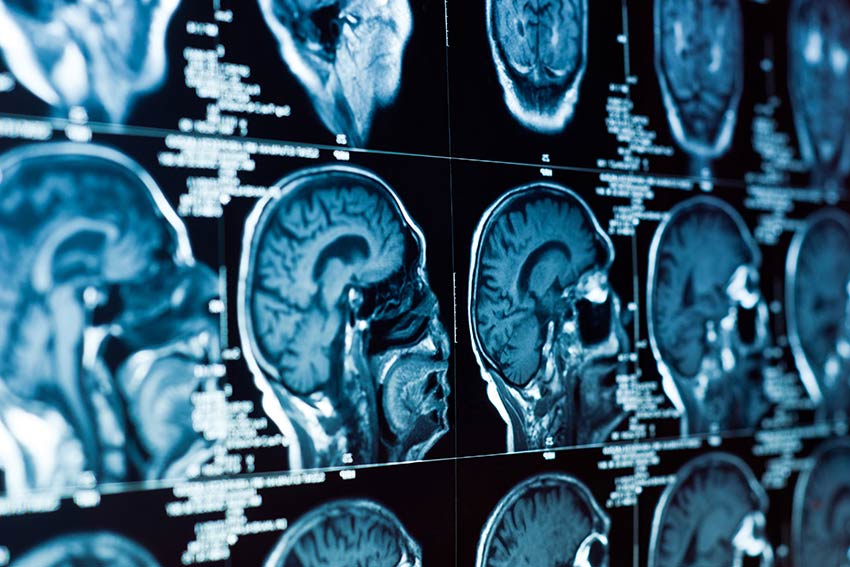
A major new study shows the burden of severe traumatic brain injuries (sTBI) is borne by some parts of Aotearoa’s population much more than others.
The new AUT research, published in the New Zealand Medical Journal, shows Māori, males and those who are socioeconomically deprived are among the groups who experience the highest rates of injury.
- sTBI injuries have a high mortality rate and are largely avoidable
- Māori and younger adults are among those disproportionately affected
- A prevention strategy needs to go beyond clinical interventions
- Future studies will aim to look at prehospital clinical and non-clinical factors
One of the authors of the study, Lecturer in Paramedicine at AUT Ben Jones, says emergency medical services attend to many sTBI in Aotearoa every year - and these injuries have both a high mortality rate and are largely avoidable.
WHAT ARE THE CAUSES?
“Falls and road traffic crashes accounted for nearly two-thirds of the injuries in our study. These are injuries that can have lifelong consequences, which is why prevention must remain a national priority,” says Jones.
“This is the first national study to examine severe traumatic brain injury from the perspective of ambulance services, capturing patients at the moment of first medical contact rather than after hospital diagnosis.
“That gives us a much clearer understanding of the true burden these injuries place on patients, whānau and the health system.
Data from the New Zealand Trauma Registry show central nervous system injuries, including sTBI, account for approximately 70 percent of major trauma deaths, with 212 total major trauma patients presenting with sTBI in Aotearoa in 2023 and 2024.
WHO IS MOST IMPACTED?
“Māori, younger adults and people living in deprived communities are disproportionately affected,” continues Jones.
“Behind every statistic is a person, a whānau and a life changed in an instant. Our findings remind us that severe traumatic brain injury continues to have a profound impact on communities across New Zealand. Preventing these injuries will reduce the burden on New Zealanders and the health system.”
Bridget Dicker, Head of Department – Paramedicine at AUT, says sTBI remain one of the most devastating injuries emergency services see.
“More than a third of patients in our study died within 30 days, underscoring the seriousness of these injuries and the importance of prevention,” she says.
HOW CAN STBI BE PREVENTED?
However, effective prevention and treatment of sTBI requires a wide-ranging strategy that goes beyond clinical interventions and instead addresses broader social conditions that increase vulnerability in high-deprivation communities, like poverty.
“The findings reinforce the need for an equity-focussed trauma system,” Dicker concludes.
“Ensuring culturally safe and responsive care, particularly for Māori and other minority populations, is essential to reducing these disparities.”
As one of the biggest contributors to sTBI, falls remains a focus for prevention in Aotearoa. Each April, Hato Hone St John runs its April Falls campaign to help Kiwis stay confident and independent and avoid falling.
And more studies can also help better understand the problem as well has identifying further improvements.
WHAT’S NEXT?
“Future studies will aim to look at prehospital clinical and non-clinical factors associated with 30-day mortality among adults with sTBI,” Jones says.
“By linking prehospital ambulance data with the New Zealand Trauma Registry, we will examine how patient characteristics, injury severity, prehospital care, and transport pathways influence outcomes.”
Jones says they will also look at whether direct transport to a neuroscience centre is associated with improved survival compared with indirect transport.
“The findings will provide a more comprehensive understanding of the factors affecting severe TBI outcomes and inform future improvements to trauma systems and prehospital care.”
Useful links
- Ben Jones’s academic profile
- Bridget Dicker’s academic profile
- The research in the New Zealand Medical Journal
- Hato Hone St John’s fall prevention
AUT supports the role our academics play as critic and conscience of society, as set out by the Education and Training Act 2020.
Our approach to academic freedom and freedom of expression is set out in our Charter of Academic Freedom which was developed and endorsed by the AUT academic community.