World-leading asbestos research at AUT
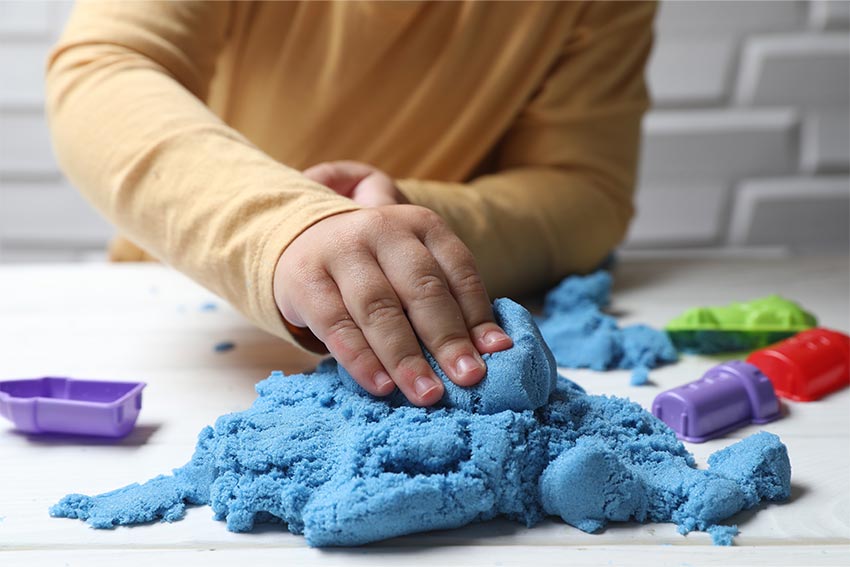
New research led by AUT Associate Professor Terri-Ann Berry aims to determine if asbestos fibres found in kids’ play sand can be inhaled.
The cancer-causing substance was detected in coloured play sand in at least 20 countries, after it was initially found in products sold in New Zealand and Australia late last year.
Whether or not the fibres are airborne remains unknown, but the world-first testing aims to find out.
"If there are fibres in the air, that means there's a possibility they could be inhaled, and if they've been inhaled, there's also a possibility they could cause cancer in the long-term,” Associate Professor Berry told Radio New Zealand.
The research has not been done before.
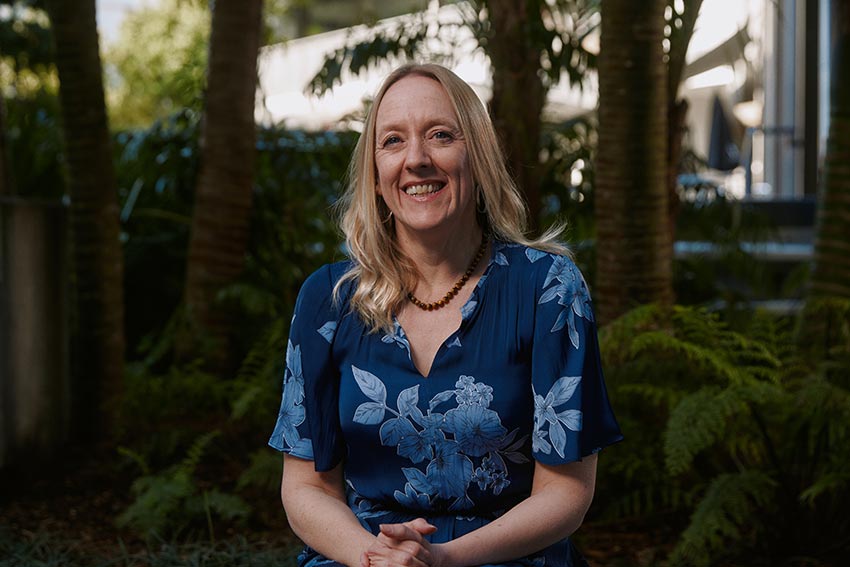
Associate Professor Berry, from AUT’s School of Future Environments, says results will enable authorities to provide evidence-based advice to consumers about the risk of coming into contact with the sand.
“The research will either confirm the fibres do not become airborne when the sand is played with, which presents a much lower risk and will hopefully reassure worried parents and caregivers; or it will provide evidence that the sand does in fact release fibres, which would support further testing to assess risk and also provide a record of the event, should asbestos-related disease occur in the future from sand use,” she says.
“At this stage we don't know what the answer will be, but we really hope it’s not airborne.”
AUT's Deputy Vice-Chancellor Research, Professor Mark Orams, says Associate Professor Berry’s work demonstrates AUT’s focus on research that solves real-world problems to improve lives, strengthen communities and shape healthier futures.
“In addition to answering the question of whether asbestos found in these products is airborne, the research will help us better understand the level of risk to the children, teachers, parents and caregivers who have come into contact with these products in Aotearoa, Australia and across much of Europe," he says.
The research, partially funded by AUT, WorkSafe and the Ministry of Business, Innovation and Employment, has attracted additional support from Beacon Safety and the Faculty of Asbestos Management Australia and New Zealand.
Associate Professor Berry, who is chair of the Mesothelioma Support and Asbestos Awareness Trust, says the research is dedicated to co-founder Leonie Metcalfe, who cared deeply about preventing more asbestos-related disease.
“Leonie was New Zealand's longest surviving mesothelioma patient and a driving force of the Mesothelioma Support and Asbestos Awareness Trust Charity. Leonie passed away on 16 March 2026.”