Sgt Haane: research brought to life
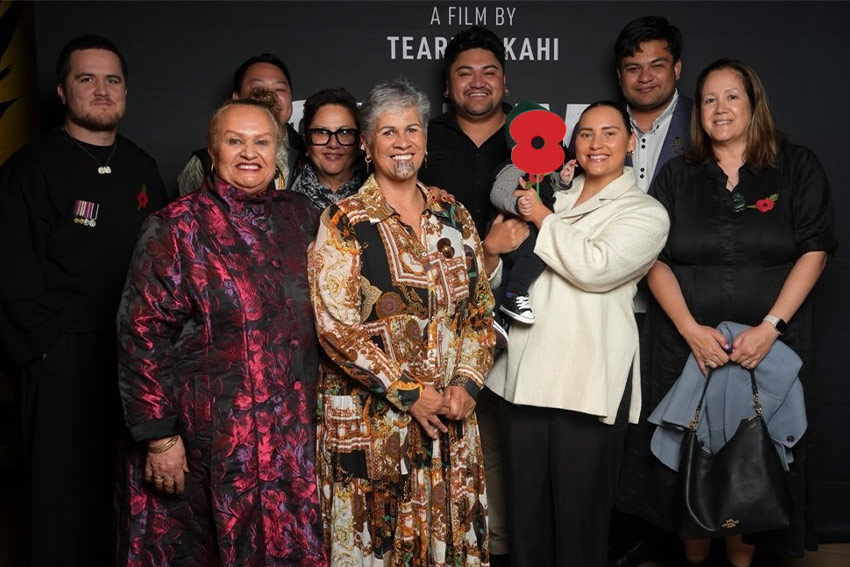
Dr Donna Mariana Morrison (Te Arawa), alumni of Te Ipukarea-Institute for Indigenous Knowledge, has turned her doctoral thesis, completed in 2023, into a script for a film about her grand-uncle, the late Lance Sergeant Haane Te Rauawa Manahi (Te Arawa, Ngāti Raukawa), a decorated veteran of the 28 Māori Battallion B Coy.
The film premiered in Rotorua on Sunday 19 April 2026 to whānau, and again in Newmarket on Monday 20 April to an invited audience, before several commemorative screenings during ANZAC weekend. Sgt. Haane is currently showing in cinemas around the country.
Professor Tania Ka’ai, Dr Morrison’s primary PhD supervisor, said it was a privilege to see the story of Sergeant Haane brought to life.
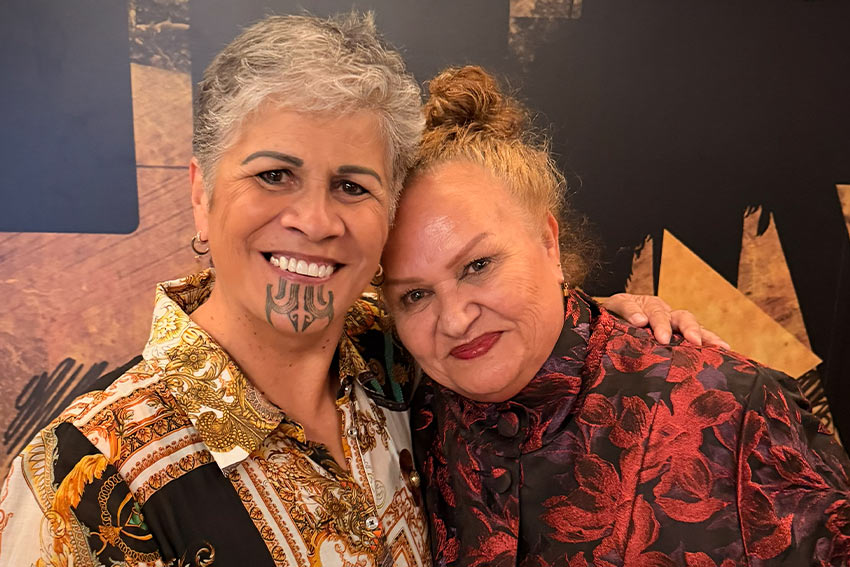
“In her doctoral thesis entitled, ‘Haane Te Rauawa Manahi: The Man, the Moment, the Legacy’, Donna wove together several themes: the role of kaitiaki, the role of strategy and strategic thinking from a Māori worldview, the importance of te ao Māori particularly te reo me ngā tikanga Māori, and a historiography of a recognised leader and tupuna (ancestor) of Te Arawa iwi (tribe). Her narrative was informed by interviews, published works, first-person testimony, and historic events drawn from the life of her Uncle Haane and his relationship with Ngāti Whakaue kaitiaki ‘Makawe’ within the context of mātauranga Māori.
"Donna’s research used a pūrākau (storytelling) methodology to unpack a theoretical framework she calls ‘Lived Legacy’ to show the impact and relevance of Lance Sergeant Haane Te Rauawa Manahi’s influence and learnings particularly in leadership and strategy in today’s contemporary settings.”
Donna said she knew Haane Te Rauawa Manahi as a giant, statuesque, and greatly revered grand uncle.
“He taught me how to swim, he let my whānau holiday at his batch at Maketū, and he was always there as a kaitiaki [guardian]for whānau whānui (extended family). It was after uncle’s untimely death in 1986, that I grew a deeper appreciation, greater awareness, and informed perspective of my uncle’s herculean deeds in the theatre of battle at Takrouna [in Tunisia] in World War II (WWII).”
Part of Donna’s story includes an account of how her Uncle Haane was nominated by three Allied generals and a Field Marshall for a Victoria Cross for his extraordinary courage and leadership during a 1943 WWII battle which secured a critical victory for the Allies. He was never awarded the Victoria Cross because someone unknown to this day, crossed out the nomination. Te Arawa, with former government support, had presented cases to the late Queen Elizabeth II to overturn this decision and they continue to campaign to this day for a posthumous decoration of the VC to Lance Sergeant Haane Manahi.
Dr Toiroa Williams, a Senior Lecturer at Te Ipukarea Institute whose research explores Māori documentary-making approaches to elevate whānau narratives is a board member alongside Dr Donna Morrison on the B Coy 28th New Zealand Māori Battalion History Trust.
After watching the premiere, Dr Williams said he was moved and encouraged by the bravery required to tell this story from a whānau narrative and perspective.
“The story of Lance Sergeant Haane Te Rauawa Manahi reflects a wider legacy of service and sacrifice carried by the 28th Māori Battalion and their whānau. The ongoing call for the Victoria Cross is not just about correcting history, but about upholding mana and ensuring these stories are told with integrity. I see this film as a brave and inspiring act of remembrance, a taonga that brings together mātauranga Māori, whānau narrative, and historical truth to honour this legacy for future generations.”
SGT. HAANE is now showing in cinemas around Aotearoa New Zealand.
Useful links
- NZ Film Commission : SGT. HAANE
- Read Dr Morrison’s PhD thesis
- Learn more about Te Ipukarea Research Institute
- Hear Dr Morrison interviewed by Julian Wilcox on RNZ Māpuna
AUT supports the role our academics play as critic and conscience of society, as set out by the Education and Training Act 2020.
Our approach to academic freedom and freedom of expression is set out in our Charter of Academic Freedom, which was developed and endorsed by the AUT academic community.