Q&A: Teeth Matters
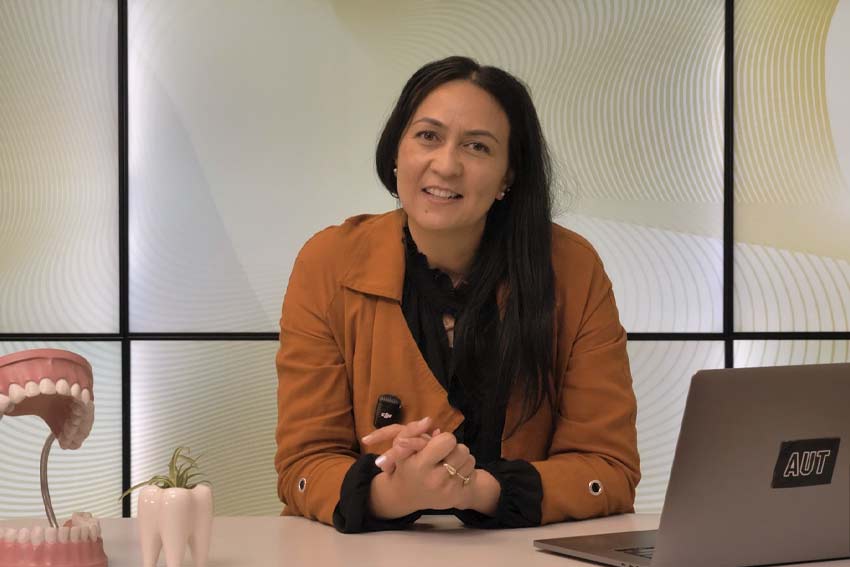
If you’ve ever wondered why it’s so expensive to go to the dentist, whether sugary or fizzy drinks are bad for your kids’ teeth, or if you should be using mouthwash after brushing — you’re not alone.
Chanae Ihimaera, Senior Lecturer in Oral Health at AUT is here to answer your dental questions.
Q: Why is it so expensive to go to the dentist?
This is a very common question. It really comes down to context and what we choose to prioritise. We might spend a few hundred dollars on a haircut or a concert ticket, but oral health is essential. The mouth is a window to our overall health, and poor oral health has links to systemic conditions such as heart disease.
Dentistry is also an expensive profession to run. Dental chairs can cost anywhere from $50,000 to $200,000, and all instruments must be sterilised between patients using specialised equipment. These costs are passed on to patients. If you’re unsure, it’s always okay to ask your dentist what you’re paying for and why.
Q: Should I use mouthwash after brushing?
Mouthwash is not an essential everyday practice for everyone. It’s best used when recommended by your oral health professional. Sometimes instructions are very specific, such as using a warm salt-water rinse after dental treatment, which can support healing.
Q: Do purple toothpaste or charcoal toothpaste really whiten teeth?
Purple toothpaste works by colour theory. Purple sits opposite yellow on the colour spectrum, so it creates the illusion of whiter teeth. This effect is temporary and only lasts while the toothpaste residue remains on the teeth. The best approach to whiter-looking teeth is consistent brushing, flossing, and good oral hygiene habits.
Q: Can certain foods stain my teeth?
Yes. Foods and drinks such as tea, coffee, turmeric, and other brightly coloured herbs and spices can stain teeth, especially around areas that are harder to clean. Smoking also increases staining. Drinking water after consuming these foods and swishing it around your mouth can help reduce staining.
Q: Do I really need to brush my teeth twice a day?
Yes, brushing twice a day is highly recommended. If you can only brush once, make it at night. Saliva protects teeth during the day, but saliva flow decreases while sleeping. Brushing before bed removes plaque and bacteria that would otherwise cause damage and bad breath overnight.
Q: Should I floss, and are water flossers any good?
Yes to both. Toothbrushes cannot reach between teeth or into gum pockets where plaque accumulates. Flossing removes plaque from these areas. If traditional floss is difficult to use, water flossers are an excellent alternative and very effective.
Q: I’m scared of going to the dentist. What can I do?
Dental anxiety is very common. The most important thing is communication. Tell your dental professional if you’re nervous. Dental and oral health therapists work with anxious patients every day and aim to provide pain-free care. Breathing exercises can help, and if something is painful, always put your hand up and say so.
Q: Is an expensive electric toothbrush better than a standard one?
Yes, evidence shows electric toothbrushes are generally more effective because they clean faster and more thoroughly. However, a soft-bristled manual toothbrush used correctly is also completely acceptable if an electric brush isn’t an option.
Q: What should I do if my gums bleed when I brush my teeth?
Bleeding gums are common and usually indicate inflammation. Do not stop brushing. Continue your oral hygiene routine and ensure you’re attending regular dental appointments. If bleeding stops after a few days, it’s a sign your gums are healing.
Q: If I play sports, should I wear a mouthguard?
Yes, absolutely. Mouthguards help prevent dental injuries. Boil-and-bite mouthguards are suitable for children with baby teeth, while professionally fitted mouthguards are recommended once adult teeth come through, usually from around 12 years old.
Q: Do my kids really need expensive braces?
This depends on the child. Some children need braces for functional reasons, such as eating or breathing problems. Others may only need orthodontic treatment for cosmetic reasons. An orthodontic assessment will help determine this, and there is usually no urgency unless advised otherwise.
Q: Should I be concerned that sugary or fizzy drinks will rot my kids’ teeth?
Sugary drinks can contribute to tooth decay, especially if consumed frequently. Sugar-free fizzy drinks can still cause enamel erosion due to carbonation. Limiting frequency, encouraging water, using straws, and avoiding prolonged sipping can all help reduce damage.
AUT supports the role our academics play as critic and conscience of society, as set out by the Education and Training Act 2020.
Our approach to academic freedom and freedom of expression is set out in our Charter of Academic Freedom, which was developed and endorsed by the AUT academic community.