Q&A: Pop Culture Matters
Have you ever wondered why people are so obsessed with Marvel? Or why TV show endings are so bad?
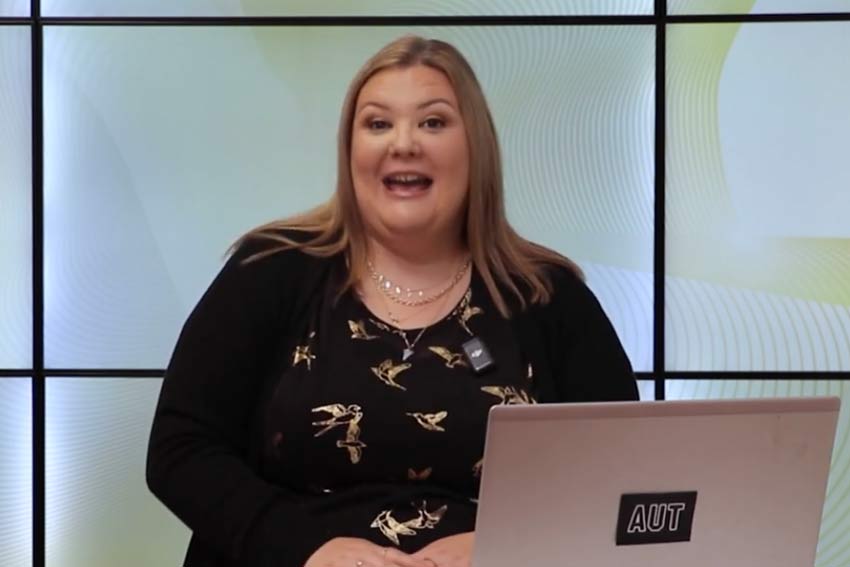
Join Associate Professor Angelique Nairn, an expert in popular culture and communications in AUT’s School of Communication Studies, and find out why popular culture matters.
Q: Why do Marvel fanboys have such a bad reputation?
It often comes down to expectations. If you’ve followed a comic series for years, you form strong ideas about how characters should behave. When film adaptations diverge from that, it can feel frustrating or disappointing.
The MCU also brought these stories to huge new audiences, and film interpretations don’t always align with decades of comic canon. That disconnect fuels strong reactions.
What amplifies the “bad reputation” is the size and volume of the fanbase. Large fan communities have loud voices on social media, which can make their criticism feel more intense or pervasive—especially to casual viewers who don’t share the same investment.
Q: Who is the best Disney princess and why is it Rapunzel?
Rapunzel really is one of the strongest modern princesses. Recent Disney films emphasise individuality, empowerment, and coming‑of‑age journeys—Rapunzel embodies all of these.
Her relationship with Mother Gothel highlights themes of manipulation, trauma, and gaslighting, making her story deeply resonant for audiences navigating their own independence and identity.
Q: Is it true that Marvel is “going woke”?
No.
Popular culture reflects society. As audiences diversify, so do the stories being told. While the MCU has broadened representation, many issues—such as ageism, sexism, and racism—still appear. So the idea that Marvel has suddenly become “woke” is an oversimplification.
Q: Why do most female characters in my favourite games wear revealing outfits?
Because you’re not the target audience.
Historically, mainstream gaming has catered to straight white male players. Character design has reflected that bias through the sexualisation of women and suggestive clothing. These tropes serve long‑established audience expectations rather than realism or inclusivity.
Q: Do women actually like superhero films, or do they just pretend?
They absolutely like them.
Women often connect with relational aspects—family dynamics, friendships, emotional growth. Shows like Ms Marvel resonate strongly because of their focus on relationships and cultural identity.
Yes, female characters in superhero films are often sidelined or sexualised, but women still engage when characters or storylines reflect their experiences.
Q: Why do so many people hate the final season of their favourite shows?
Creative products have life cycles. A show gains hype, rides that success, and eventually reaches a point where its storylines run out, the original magic fades, or new shows eclipse it.
Sometimes creators lose interest; sometimes expectations become impossible to meet. That’s why fans argue that long‑running shows like Grey’s Anatomy should have ended earlier, while others feel Schitt’s Creek ended at exactly the right time.
Q: Are AI concerts ethical?
It depends.
Take the AI‑generated ABBA concert: the band members themselves contributed to the creation, making it more authentic—though still altered through digital de‑aging.
The ethical issues become more complicated with deceased artists like Amy Winehouse or Michael Jackson. Without their input or consent, the performance can’t reflect their intentions or artistry, raising concerns about exploitation and authenticity.
Q: Who is the best Disney villain, and what do they tell us about society?
Mother Gothel stands out as one of the most compelling Disney villains. She reflects real societal issues: narcissism, obsession with youth, toxic parenting, and gaslighting. Her character helps us understand modern social dynamics and emotional manipulation—traits many people recognise from real life.
Q: What makes Phase One Marvel films better than newer releases?
Early MCU films weren’t rushed. They focused heavily on character development—Tony Stark’s long, carefully‑crafted redemption arc is a great example.
As Marvel’s output increased, the studio began “cannibalising itself,” producing so much content so quickly that stories had less room to grow. The resulting decline in quality has led Marvel to announce plans to reduce the number of films and shows released.
Q: Why do older fans often dislike the Star Wars prequels?
Not everyone dislikes them, but expectations play a huge role. Fans of the original trilogy expected the same tone and emotional experience. The prequels introduced new technologies, effects, and storytelling styles that didn’t match those expectations.
When people define themselves through what they consume, deviations from what they love can feel personally disappointing.
Q: Why do I keep watching the same shows and sitcoms over and over again?
Sitcoms are comforting. They’re easy to consume, familiar, predictable, and nostalgic. They offer a low‑effort escape when you need a break. Their “snackable” format makes rewatching them incredibly appealing.
Q: What’s with the trend of streaming services releasing new series in halves or week‑by‑week?
This is actually a return to how TV used to work.
Big shows like Bridgerton cost enormous amounts to produce, so streaming platforms try to stretch out audience engagement to maximise impact. Staggered releases create:
- prolonged hype
- more online discussion and memes
- more time for viewers to join in
- better retention for the platform
Releasing in parts helps services recoup the massive costs of premium content.
Q: Why are there so many streaming services, and why are they getting so expensive?
High‑quality content is expensive to make. Streaming has become the dominant mode of consumption, and everyone wants a piece of the market. More services mean more competition and, ultimately, higher prices.
To compensate for production costs, companies raise subscription fees and restrict features like account sharing.
Q: What’s your favourite show?
Right now, Angelique is rewatching Brooklyn Nine‑Nine and Schitt’s Creek—two comforting, funny series that hold up well over time. She’s a sitcom fan.
Useful links
- Check out Associate Professor Angelique Nairn’s research
- Find out more about studying communications at AUT