Q&A: Apartment Living Matters
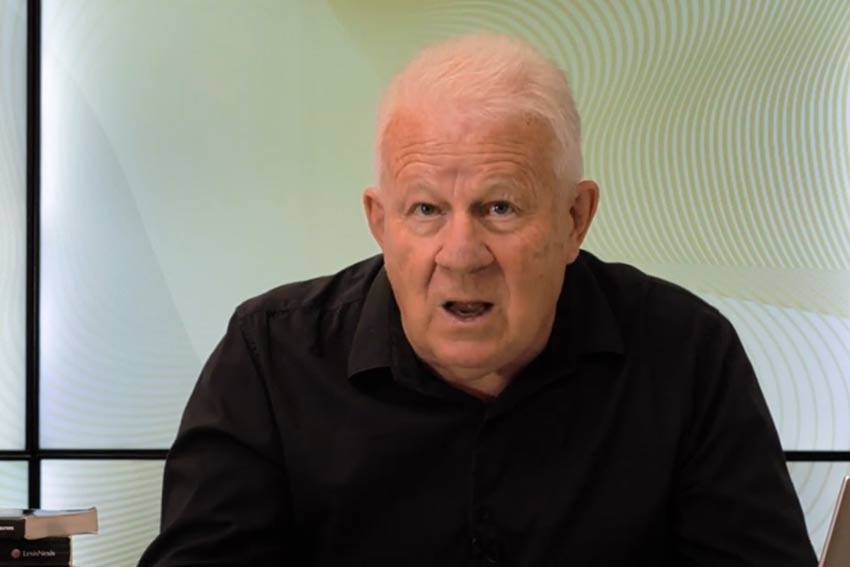
Can you be made to pay for repairs to other people's units if you're living in a unit title development? Can a body corporate prevent you from using your unit as an Airbnb?
Join Associate Professor Rod Thomas from AUT Law School, to find out what you need to know about living in an apartment.
Q: Can you be made to pay for repairs to other people’s units if you're living in a unit title development?
Yes. In a unit title development, repairs to parts of the building that affect the whole structure—such as the roof or exterior—are usually treated as shared responsibilities. This can mean you may be required to contribute to repairs even if the issue is not within your own unit.
Q: Can a body corporate require that you not use your unit for Airbnb?
This is a legally unsettled area. Many body corporates have rules restricting Airbnb use, but whether those rules are legally enforceable depends on the circumstances. There is a strong argument that if the use is lawful under general law, a body corporate may not be entitled to prohibit it. Tribunals tend to focus on the effects of the activity rather than the activity itself.
Q: What do I need to know about signing up for a body corporate when buying an apartment?
Unit titles are one of the more complex forms of property ownership. Vendors must provide compulsory disclosure statements, and failure to do so may allow a purchaser to walk away. Buyers should check that the body corporate has a healthy long-term maintenance fund and whether the building has a history of leaking, which can create significant financial obligations for all owners.
Q: Do the benefits of a body corporate usually outweigh the costs of paying into it?
Yes, provided the body corporate is well run. A properly functioning body corporate ensures statutory obligations are met and helps owners understand their rights and responsibilities.
Q: How much legal responsibility does a body corporate have?
A body corporate is responsible for running the entire development, including organising repairs and maintaining common property. These obligations are governed by complex legal provisions, often requiring professional advice.
Q: Should I be worried if the body corporate doesn’t have much money set aside for maintenance?
Yes. If insufficient funds exist, owners may be required to make significant contributions for maintenance or major repairs, including remediation for leaky buildings.
Q: Can I be required to pay for leaks in another apartment?
Yes, potentially. Courts generally treat exterior and structural elements as shared responsibilities. As a result, all owners may be required to contribute to repairs, even if their own unit is not directly affected.
Q: What if I don’t have the money to pay my body corporate contribution?
If you fail to pay, you may lose your voting rights. Ultimately, the body corporate may take steps to recover the debt, including the sale of your unit.
Q: What if the body corporate committee makes poor decisions?
Committee members must act reasonably and in good faith. Failure to do so may result in personal liability to the body corporate, third parties, or even individual owners.
Q: Do you need qualifications to be on a body corporate committee?
No formal qualifications are required, but members must act reasonably and in good faith. Professionals on a committee may be held to a higher standard if they provide professional advice.
Q: Are members of a body corporate committee paid?
Although the legal position is not entirely settled, paying committee members small amounts for administrative roles is generally considered good practice and often results in better governance.
Q: Can my building’s body corporate stop me from hanging out washing on my balcony?
Rules often restrict this, but the law is ambiguous. Tribunals may balance appearance concerns against owners’ rights to quiet enjoyment.
Q: Given the complexities of body corporates, why consider apartment living?
When a body corporate is well run, well funded, and communicative, apartment living can offer a high-quality shared living environment, reflecting common overseas models of urban living.