

AUT Aronui Impact Award
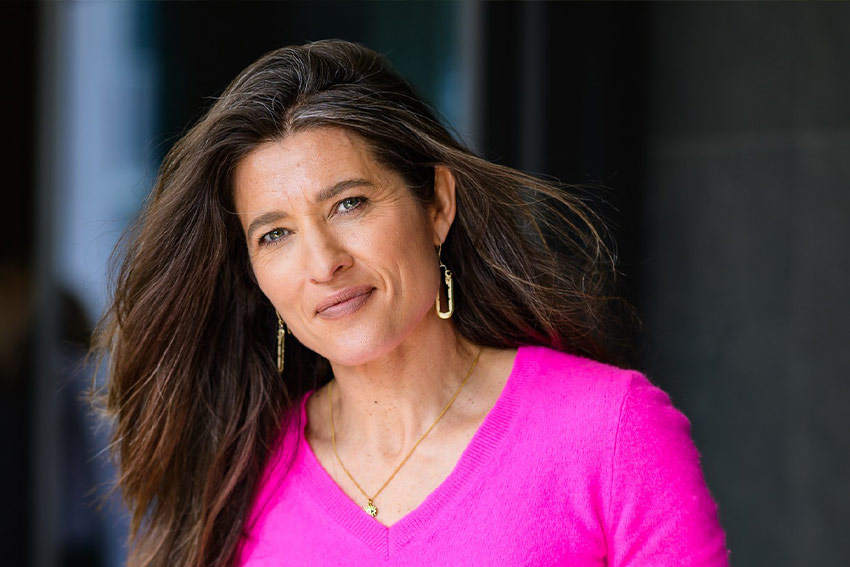
Chelsea Winstanley ONZM - Taking Indigenous stories to the world
Stories have the power to preserve culture, strengthen identity and help people see new possibilities. For more than two decades, Chelsea Winstanley ONZM has used film to do exactly that.
An Oscar-nominated producer, award-winning filmmaker and advocate for Indigenous storytelling, Chelsea has built an international career bringing Māori and Indigenous voices to global audiences. From critically acclaimed documentaries and feature films to groundbreaking language revitalisation projects, her work has consistently challenged assumptions, celebrated culture and created opportunities for others.
Today, she is recognised not only for her achievements in film, but for the lasting impact she has had on Indigenous storytelling in Aotearoa New Zealand and around the world. Through her work, Indigenous stories, languages and perspectives have reached audiences who may never otherwise have encountered them.
Our people
Chelsea's work is deeply connected to identity, culture and community.
Of Ngāti Ranginui and Ngāi Te Rangi descent through her mother, Ngāti Taka and Pākehā through her father, she has dedicated much of her career to ensuring Indigenous peoples can tell their own stories in their own voices.
Throughout her work as a producer, writer and director, she has championed stories that might otherwise have gone untold and helped create greater visibility for Indigenous perspectives within the screen industry.
"I've always believed stories can create understanding. When people see themselves reflected honestly, it changes what's possible."
Whether working with emerging creatives, international collaborators or established filmmakers, her focus has remained the same: creating space for authentic storytelling that reflects the richness and diversity of Indigenous experiences.
Our story
Chelsea completed a Bachelor of Communication Studies at AUT in 2003, laying the foundations for a career that would eventually take her from Aotearoa to some of the world's biggest stages.
While studying, she directed the documentary Whakangahau, which received a Media Peace Award and provided an early glimpse of the talent, curiosity and social awareness that would become hallmarks of her work.
Over the years that followed, Chelsea produced and directed a remarkable body of work spanning documentary, television and feature films. Early projects gained international recognition, including films screened at Cannes, Berlin and Sundance. She later produced the acclaimed feature What We Do in the Shadows, which went on to become a globally successful television franchise.
A defining milestone came with Jojo Rabbit, where Chelsea served as a producer alongside Taika Waititi.
The film's Academy Award nomination for Best Picture made her the first Indigenous female producer ever nominated in the category, marking a significant moment not only for her own career but for Indigenous representation in the global screen industry.
Yet despite international success, her focus has remained firmly connected to Indigenous storytelling and cultural impact.
In 2025, Chelsea released her feature directorial debut, TOITŪ Visual Sovereignty, a documentary exploring the landmark Toi Tū Toi Ora exhibition at Auckland Art Gallery. The project reflected her growing desire to step behind the camera and tell stories through her own creative perspective.
"Producing is about supporting someone else's vision. Directing asks you to stand behind your own."
Our impact
While Chelsea's achievements in film are significant, some of her most influential work has centred on ensuring Indigenous language and culture are visible within mainstream global storytelling.
Together with Tweedie Waititi through Matewa Media, she helped produce the first-ever Disney animated feature in te reo Māori, Moana Reo Māori. Since then, the initiative has grown to include six Disney films in te reo Māori, helping bring Indigenous language storytelling to new generations of audiences.
In 2024, Matewa Media became the first Indigenous company in the world to theatrically release a new Disney title in an Indigenous language alongside the English-language version in the same territory through Moana 2.
The success of these projects demonstrated that Indigenous language storytelling can thrive on the world's biggest platforms while remaining grounded in culture, identity and community.
Alongside projects such as Merata: How Mum Decolonised the Screen, Night Raiders and numerous other Indigenous-led productions, this work has helped show that stories rooted in culture and language can resonate far beyond the communities they originate from.
Her influence extends beyond individual productions.
Through both her filmmaking and her advocacy, Chelsea has helped strengthen the visibility and reach of Māori and Indigenous storytelling, ensuring these perspectives continue to be celebrated by future generations.
"The goal has never been simply making films. It's about creating pathways so the next generation of storytellers can go even further."
Looking ahead
Chelsea's career demonstrates the power of local stories reaching global audiences.
From an AUT communication student to one of the world's most recognised Indigenous filmmakers, she has shown that stories grounded in culture, language and identity can connect with people everywhere.
Looking to the future, she is focused not only on telling stories but on helping create a more sustainable and equitable creative industry for those who come after her.
"I'm all about stories of hope. I truly believe we can do better as a society."
Her legacy will be measured not only by the films she has helped create, but by the voices she has amplified and the pathways she continues to open for future generations of Indigenous storytellers.
