

Connections across cultures and countries
For Remy Herbert, a semester at Thompson Rivers University became far more than study, offering cultural connection, friendship and a sense of belonging.
Remy Herbert

Why I chose my host uni:
I chose Thompson Rivers as I had wanted to go to Canada at some point in life and the exchange programme provided that opportunity. The truth is it was the only option I had to go with, considering my course and desired location.
How I found applying to my host uni:
Applying to Thompson Rivers was a lot of admin work and back-and-forth with the host uni. The time difference also added a spanner in the works as deadlines had a way of creeping up. For me, I had to tweak my entire degree to be able to appropriately cross-credit a few courses (which worked out fine in the end). I don’t believe they asked for extra documents except for my past academic records. For Canada, they will ask if you have medical insurance and if not, they can opt you into the most appropriate medical insurance plan for your needs.
I had an ETA to travel, which only needs 72 hours to process from the day the application has been submitted and is a lot less costly than a study permit or student visa. Ensuring I had this document was one of my first tasks completed in my travel planning; early submission will take a bit of weight off your shoulders before things start to pile up.
Pro tip – if you’re transiting through America, make sure you have a separate ETA for that. I had to see many people freak out in LAX to realise they didn’t have the correct documentation (which is terrifying in this political climate).
How I found learning in a different academic system:
In a way, I felt like I was back to the basics; 20 to 30 classmates, one teacher and a primary-sized classroom. This made it a little easier to settle into this style of teaching as it was nothing new. The stress from travelling to a new country was relieved a little bit with Thompson Rivers’ approach to teaching.
What I gained from this experience:
It’s cliché but so many new friends from different parts of the world. I met two amazing girls from the UK and Austria, and this connection has us all planning future travel experiences to each other's countries. My roommate has never been more excited to learn more about New Zealand as I have embraced her culture, and she hopes to one day do the same with mine.
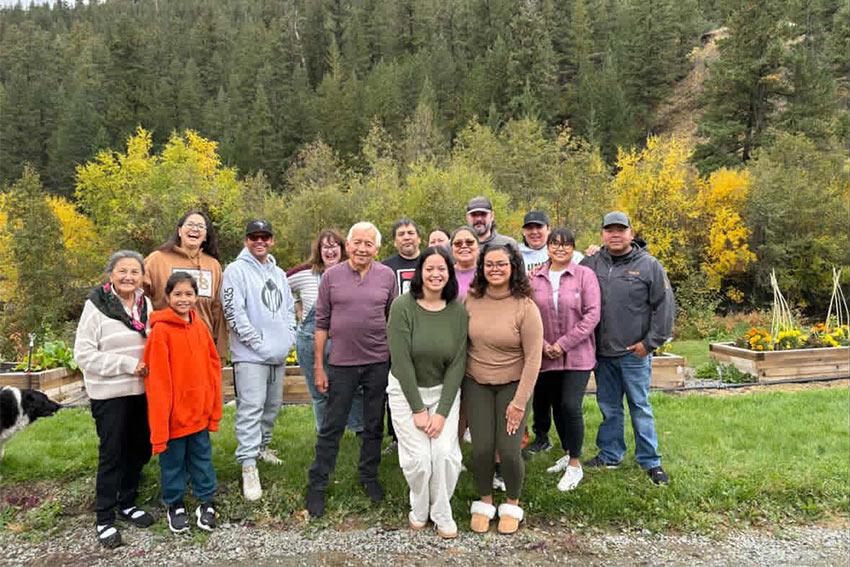
I was lucky enough to be invited to an Indian reservation for thanksgiving by my roommate, Tanisha and her beautiful Indigenous family. We left Kamloops for three days to head an hour west to a place called Lower Hat Creek. The weekend was an amazing learning experience away from the classroom; Tanisha’s grandfather talked about his longstanding craftsmanship as a powwow drum maker as well as other cultural knowledge passed to him from those before. The reservation wasn’t like any other place I had been to in Canada – it was quiet (with the exception of a bear or wolf) and away from the rest of civilisation. This land was theirs and, as a Māori girl from the North of New Zealand, that was a powerful thing (the ability to call a land undeniably yours). They cared for this land, they ensured its preservation for generations to come. To say the invitation and experience was an honour is an understatement – something changed within me from the moment I arrived until the moment I left the reservation. The stories I had shared with Tanisha about our Māori people and her, stories about her Secwepemc ancestors, scarily mirrored each other. Indigenous people all over the world hold so much space for each other as we understand the pain that has been passed down.
Academically, learning about the Canadian justice system, as part of my study, may someday prove useful, should I decide to migrate permanently to Canada and find work in their justice system. International connections and local knowledge were what I set out to gain, and I received it in abundance.
Top tips for other students
- Try to live on campus with roommates. My roommates were fundamental in setting me up in Canada; these are likely people who have lived on campus before and have answers to most questions as well as recommendations on what you should do in your time on exchange
- Go to all of your orientations. TRU hosts an International Orientation for all incoming international students. These spaces are filled with people just as new as you, so talk to people to find those with a similar travel plan. This is where I met my two international friends
- Introduce yourself to your professors. Most (if not all) of my professors were unaware that they had an exchange student in their class. Making an effort to introduce yourself and letting them know of your unique circumstance will hopefully help you feel more at ease. Once I had introduced myself, my professors were always there to support and help where I needed
- Save where you can and only buy the essentials. Saving a bit on the side can help with emergency funds or fund a small trip or experience while on exchange

About Remy and her student exchange
AUT degree:
Bachelor of Arts in Criminology and Criminal Justice
Host uni:
Thompson Rivers University
Host country:
Canada
5 favourite things
Favourite place in my host city:
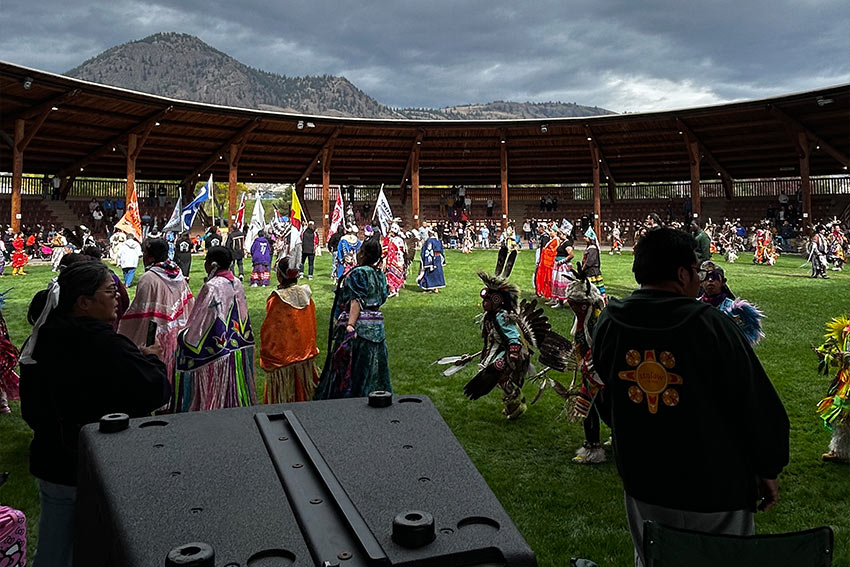
Kamloops Powwow Grounds (Tk’emlups te Secwepemc Powwow Arbour)
Best dish/food I tried:
Poutine and Thanksgiving turkey
Most useful thing I packed to take with me:
A nice hoodie for when the weather turned cold
Favourite thing about my host uni:
The set-up of classes made getting to know my classmates a lot easier
Best trip I took outside of my host city:
Being invited to Lower Hat Creek for Thanksgiving with my roommate Tanisha and her Secwepemc whānau